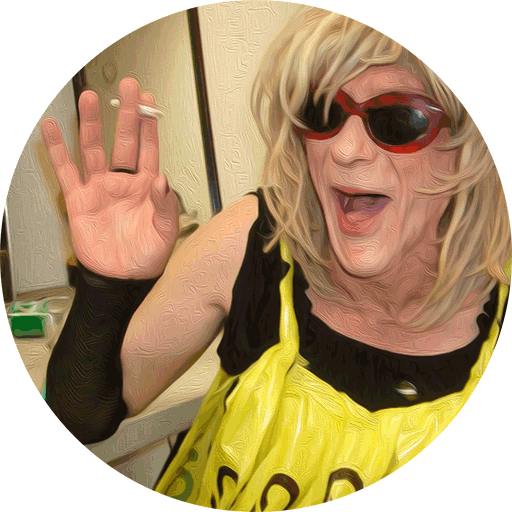
Needles Jones: The Life, Death, and Glitter-Stained Afterlife of Ira Abramovitz
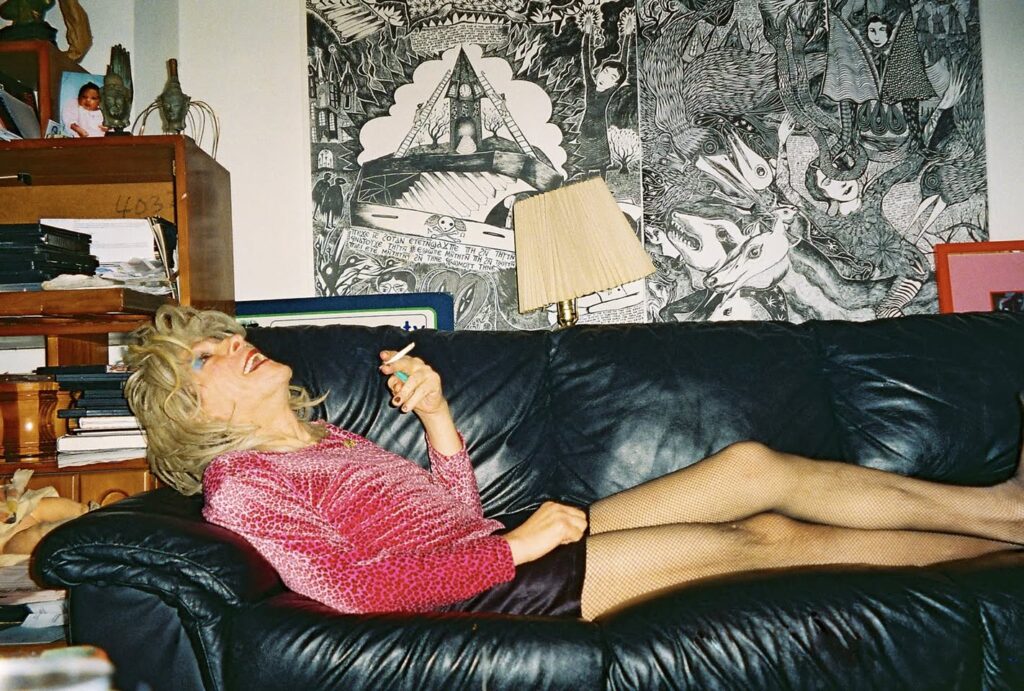
If Philadelphia ever needed a saint of the underground, a patron spirit of the brave, the busted, and the beautifully bizarre, they got one in Needles Jones—born Ira Abramovitz, raised on mischief, and destined to blow the roof off whatever queer, punk, or DIY joint was foolish enough to hand them a microphone.
Needles wasn’t a “performer” in the boring, conservatory sense of the word. No one ever accused them of chasing Broadway polish. No—Needles Jones was an event. An eruption. A fever dream in a ratty wig and questionable hosiery, the kind of stage presence that made you clutch your drink tighter because you weren’t sure if Needles would knock it over, drink it or dose it.
From Ira to Needles
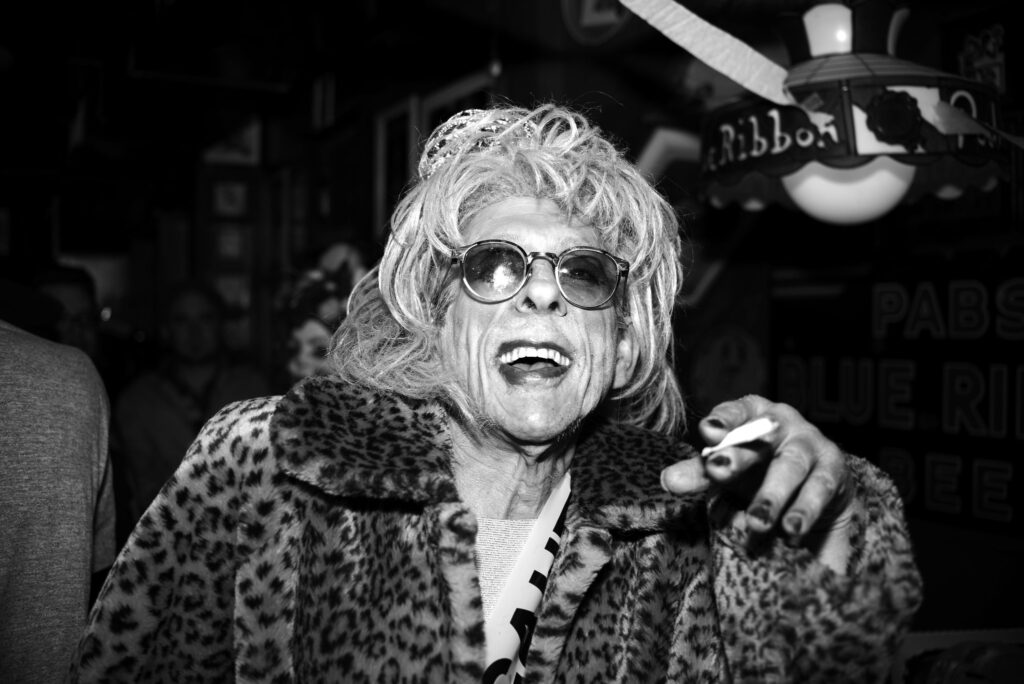
Ira Abramovitz grew up in the kind of America where “weird” was usually whispered like an accusation. They took that accusation and wore it like a crown. By the time they tumbled into Philadelphia’s nightlife, they had already sharpened their claws in New York’s messy 1980s/1990s downtown scene, name-dropping their way into the tail end of the Club 57 orbit and conjuring a little café of chaos called Red Light.
But Philadelphia—scrappy, busted, gloriously rough Philadelphia—was where Ira metastasized into Needles Jones. The city has always had room for strange angels, and Needles was one of its strangest. They dragged their needle-studded alter ego through dive bars, art spaces, and DIY stages, fusing queer cabaret, trash punk, and outsider theater into something that felt dangerous, hilarious, and often heartbreakingly human.
The Art of Being Too Much
Needles Jones was not for the faint of heart. They were a provocateur. Needles’s art punched upward, outward, inward—sometimes all at once. Their work refused respectability politics. It reveled in gender trouble. It tore down the line between “drag” and “performance art,” then used the scraps to fashion a cocktail dress. Friends and fellow artists remember their performances as fearless and frequently unhinged—a liberation ritual for anyone who ever felt out of place in straight America.
The Philadelphia Years
By the 2000s and 2010s, Needles was a fixture in Philly’s alt performance circuits. Photos from a 2010 show capture Needles mid-chaos, mascara melting, hair sprayed into submission and then betrayed by gravity, looking like a saint fallen from grace and laughing about it.
They weren’t chasing mainstream fame. They were building community. They worked with other misfits, pulling together late-night shows that mixed drag, live art, punk rock, and the general spirit of “why the hell not?” Needles Jones wasn’t a career—they were a commitment to living artfully, even when it was messy, broke, and uncomfortable. Especially then.
Needles Jones passed away in 2024, and the tributes poured in like glitter at a drag funeral. Memorial posts called them a “fearless performance artist” and “one of the great underground originals.” Friends remembered Ira’s quick wit, dangerous charisma, and refusal to be anything but their unapologetic, unstable, brilliant self.
Legacy
So what’s left when a figure like Needles Jones exits the stage? Not a tidy résumé or a Wikipedia entry, but stories. The time they stormed a stage in a shredded slip and left the audience in shock and awe. The way they transformed small rooms into temples of chaos and liberation. The reminder that queer art doesn’t need to be palatable, or profitable, or even “good” in a conventional sense—it needs to be alive.
Needles Jones’s legacy is in every messy, dazzling performance artist who refuses to play it safe. In every trans or queer performer who looks at the mainstream drag machine and says, “Nah, I’ll do my own damn thing.” In every glitter-stained stage where someone dares to be too much.
Because Ira Abramovitz, Needles Jones, patron saint of DIY chaos, showed us that too much was exactly enough.